

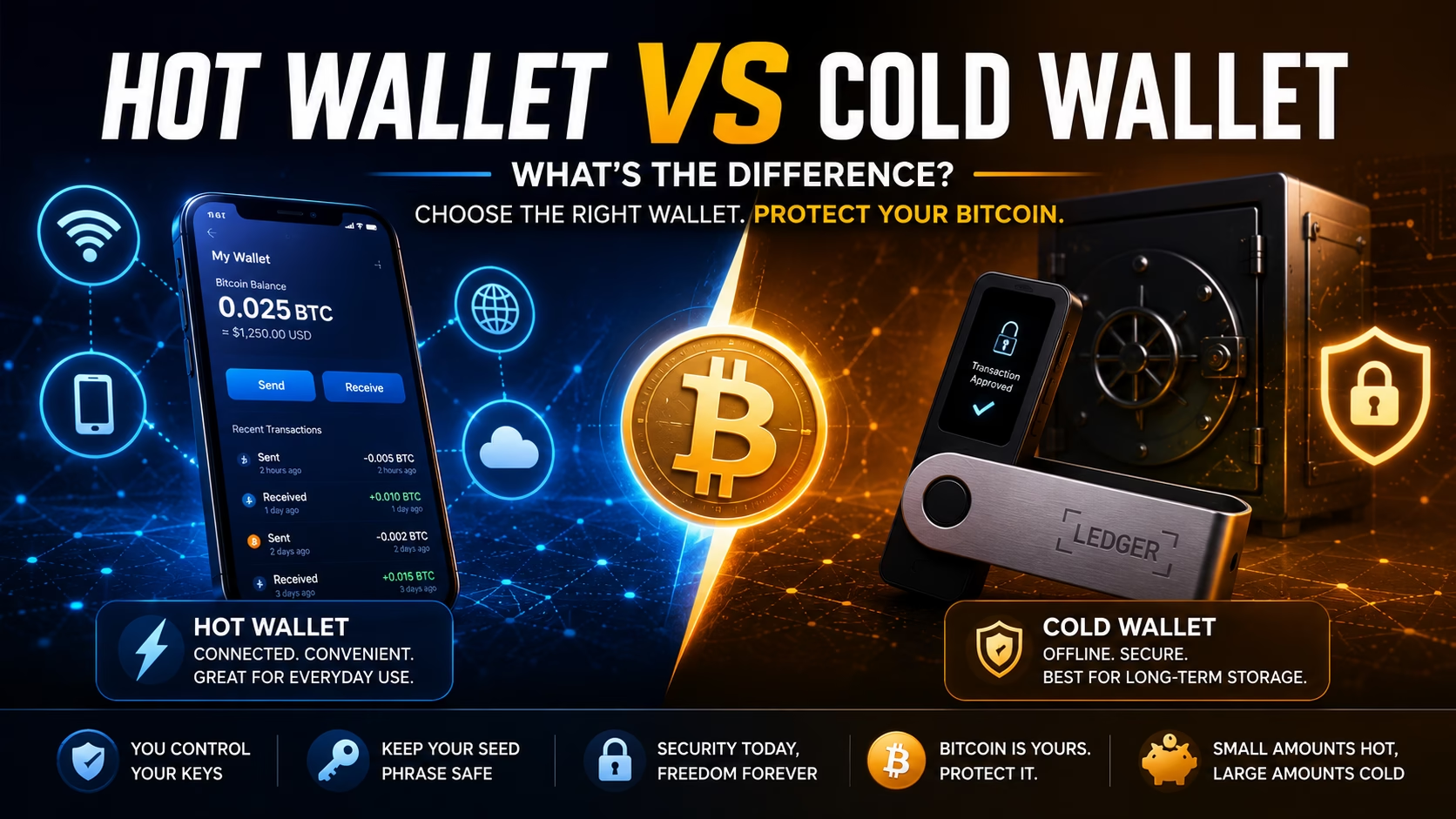
Introduction of Hot Wallet vs Cold Wallet
Imagine you’ve just bought your first Bitcoin.
You open your exchange account and everything looks fine.
Then someone tells you:
“Move your Bitcoin to a wallet.”
A few minutes later, someone else says:
“Use a cold wallet.”
Another person replies:
“A hot wallet is enough.”
Suddenly you’re wondering:
What’s the difference?
Can one wallet really be safer than another?
Do you need to spend money on a hardware wallet?
Or is the wallet on your phone already good enough?
These are some of the most common questions beginners ask, and they’re important because choosing the right wallet is one of the biggest decisions you’ll make as a Bitcoin owner.
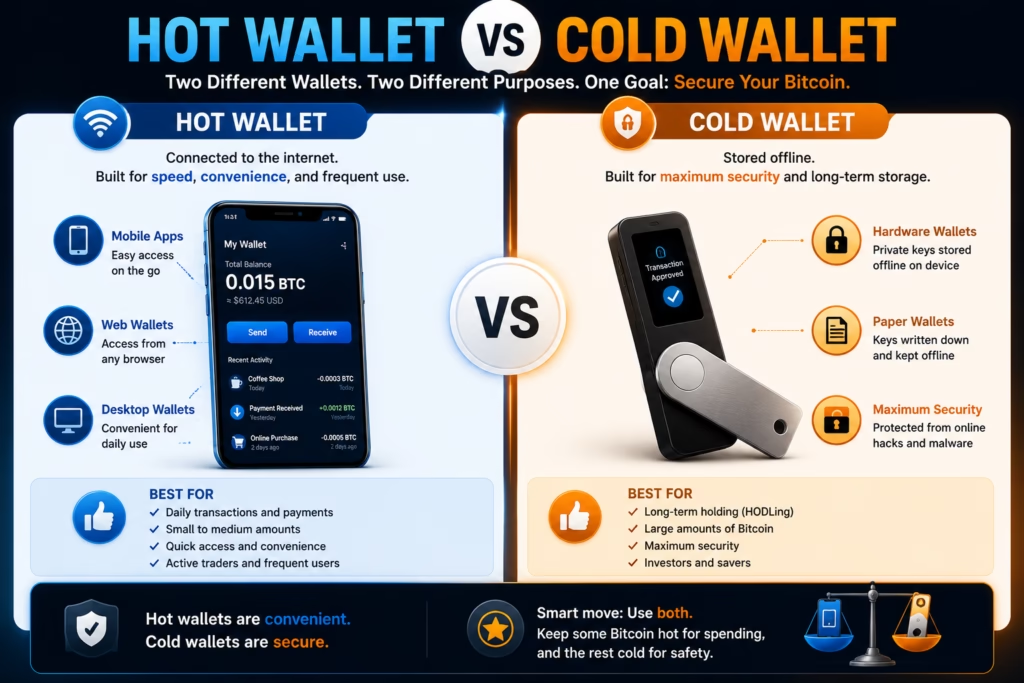
The good news is that the answer isn’t simply “Hot wallets are bad” or “Cold wallets are always better.”
Each type has advantages and disadvantages.
The best choice depends on how you use your Bitcoin.
In this guide, you’ll learn:
- What a hot wallet is
- What a cold wallet is
- The differences between them
- Which one is safer
- Which wallet suits different types of users
- Common mistakes to avoid
- Practical security tips
By the end, you’ll know exactly which type of wallet fits your needs.
Quick Summary
A hot wallet is connected to the internet, making it convenient for everyday transactions.
A cold wallet stores cryptographic keys offline, making it more resistant to online attacks and generally better suited for long-term storage.
Neither option is universally “best.” The right choice depends on how frequently you transact, the value of your holdings, and your security needs.
💡 Key Takeaway
Use a hot wallet for convenience and a cold wallet for long-term protection.
Many experienced Bitcoin users use both.
What Is a Hot Wallet?
A hot wallet is a cryptocurrency wallet that is connected to the internet.
Because it stays online, you can quickly:
- Send Bitcoin
- Receive Bitcoin
- Check your balance
- Scan QR codes
- Make payments
- Access your wallet from compatible devices
Examples include:
- Mobile wallet apps
- Desktop wallets connected to the internet
- Browser extension wallets
- Some web-based wallets
Hot wallets are designed for convenience.
If you buy coffee with Bitcoin or send payments regularly, a hot wallet makes those transactions fast and simple.
Real-Life Analogy
Think of a hot wallet like the cash you keep in your everyday wallet.
It’s convenient because you carry it with you.
You can spend it whenever you need.
But you probably wouldn’t carry your entire life savings in your pocket.
The same idea applies to Bitcoin.
Many people keep only the amount they expect to use regularly in a hot wallet.
Advantages of a Hot Wallet
Hot wallets are popular because they’re easy to use.
Some of their biggest benefits include:
Fast Access
Open the app.
Send Bitcoin.
Done.
Great for Everyday Payments
If you regularly buy, sell, or transfer cryptocurrency, hot wallets save time.
Beginner-Friendly
Most wallets guide you through setup in just a few minutes.
No special hardware is required.
Usually Free
Many reputable software wallets are free to download and use.
Disadvantages of a Hot Wallet
Convenience comes with trade-offs.
Because hot wallets are connected to the internet, they have a larger potential attack surface than wallets that keep keys offline.
Potential risks include:
- Malware
- Phishing attacks
- Device theft
- Compromised accounts
- Fake wallet applications
This doesn’t mean hot wallets are unsafe.
It simply means they should be used thoughtfully and secured with strong passwords, device security, and recovery phrase protection.
What Is a Cold Wallet?
A cold wallet stores the cryptographic keys needed to access your Bitcoin offline.
Because the keys are not continuously connected to the internet, they are generally much less exposed to online threats.
Cold wallets are commonly used for:
- Long-term Bitcoin storage
- Larger cryptocurrency holdings
- Investment portfolios
- Security-focused users
Many hardware wallets are examples of cold wallets, although other offline storage methods also exist.
Real-Life Analogy
Imagine putting valuable jewelry into a secure home safe.
It isn’t as convenient as keeping it in your pocket.
But it’s much better protected when you don’t need immediate access.
A cold wallet works in a similar way.
It prioritizes security over convenience.
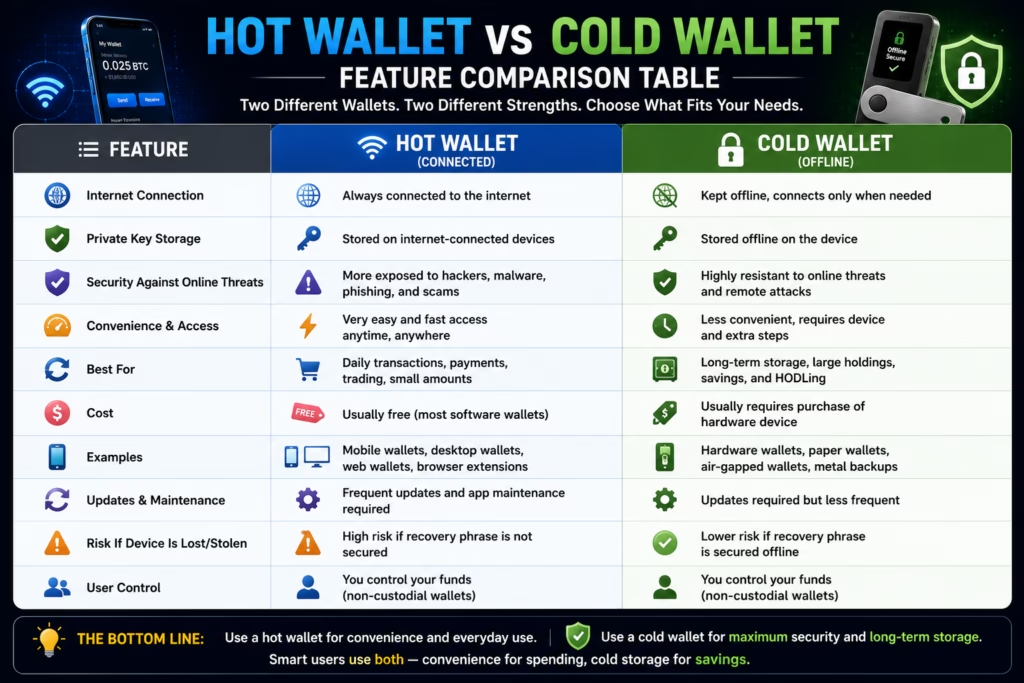
Hot Wallet vs Cold Wallet: What’s the Difference?
Now that you understand what each wallet is, let’s compare them side by side.
Many beginners assume one wallet is “good” and the other is “bad.”
That’s not really true.
Think of them as tools designed for different jobs.
A hot wallet focuses on convenience.
A cold wallet focuses on long-term security.
Let’s break it down.
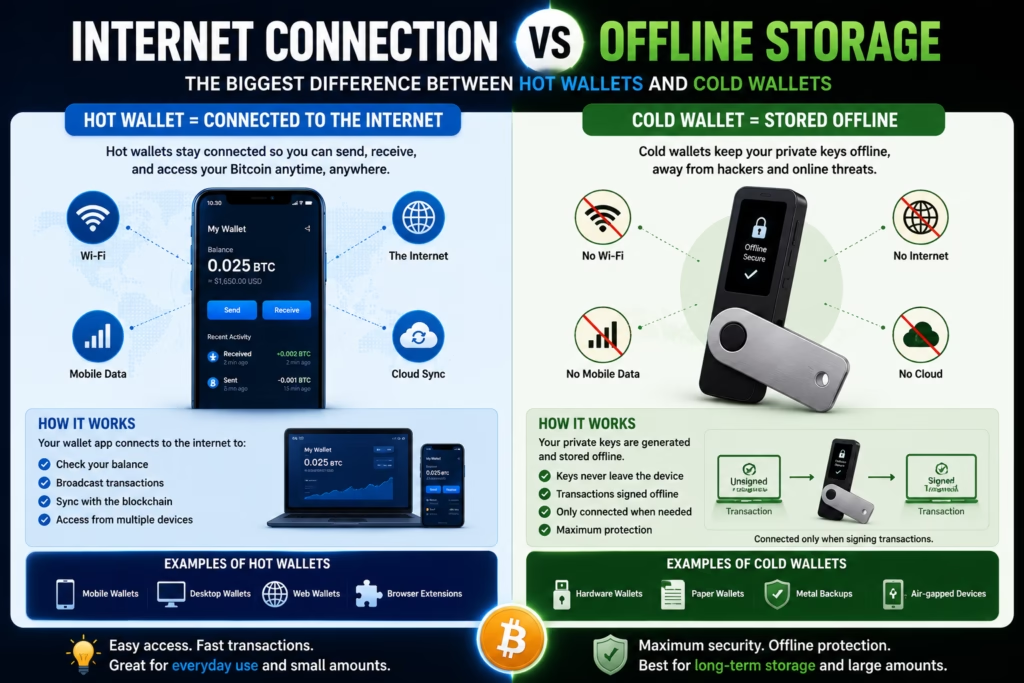
1. Internet Connection
This is the biggest difference.
Hot Wallet
A hot wallet stays connected to the internet.
That connection allows you to send and receive Bitcoin almost instantly.
It’s always ready whenever you need it.
Cold Wallet
A cold wallet keeps your private keys offline.
Even when you connect a hardware wallet to approve a transaction, the private keys generally remain protected inside the device rather than being exposed to the internet.
That extra layer of isolation is one reason cold wallets are popular for long-term storage.
💡 Quick Tip
Think of it like this:
Hot Wallet = Online
Cold Wallet = Offline
2. Security
Security is usually the first thing people think about.
So…
Which wallet is safer?
For long-term storage, a properly used cold wallet generally provides stronger protection against online attacks because the private keys remain offline.
That doesn’t mean hot wallets are insecure.
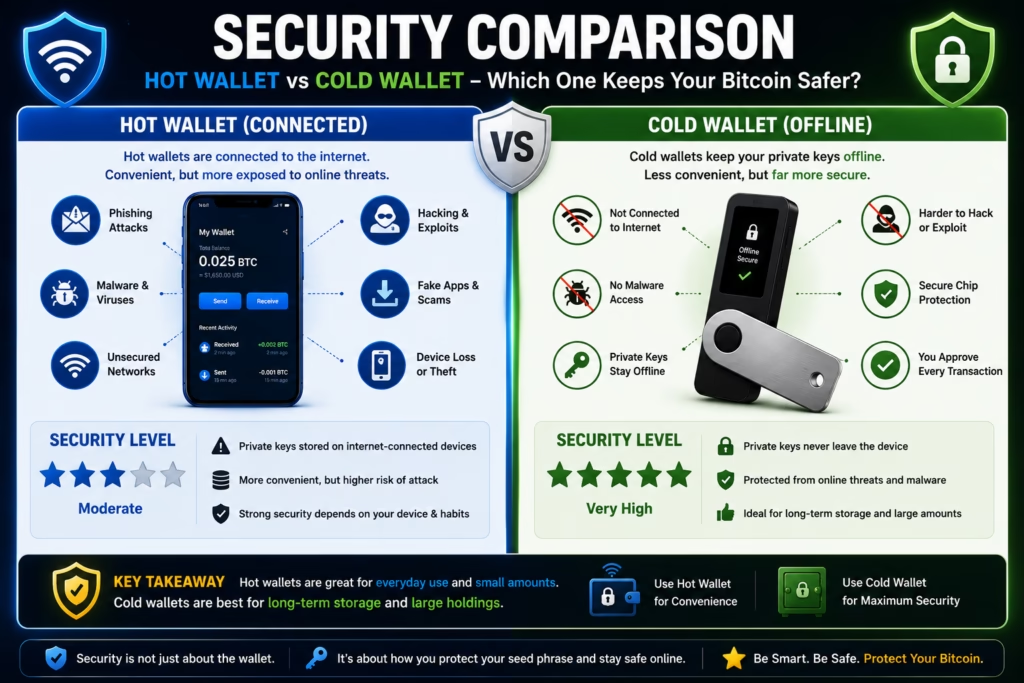
A reputable hot wallet protected with a strong password, device security, and a safely stored recovery phrase can still provide a good level of security for everyday use.
The right level of security depends on:
- How much Bitcoin you own.
- How often you spend it.
- How well you protect your device and recovery phrase.
Real-Life Analogy
Imagine carrying money.
Your wallet in your pocket is convenient.
Your home safe is more secure.
Both have a purpose.
Most people wouldn’t carry their life savings everywhere they go.
Likewise, many Bitcoin users don’t keep all of their holdings in a hot wallet.
3. Convenience
Hot wallets are built for speed.
Need to pay someone?
Open the app.
Scan a QR code.
Confirm the payment.
Done.
Cold wallets require a few extra steps.
Depending on the device, you may need to:
- Connect the hardware wallet.
- Unlock it.
- Review the transaction details.
- Physically confirm the transaction on the device.
This process takes a little longer, but it’s designed to reduce the risk of unauthorized transactions.
4. Best Use Cases
Instead of asking:
“Which wallet is better?”
Ask:
“What am I trying to do?”
A Hot Wallet is Ideal For
- Daily Bitcoin spending
- Small balances
- Learning Bitcoin
- Regular transactions
- Fast access
A Cold Wallet is Ideal For
- Long-term investing
- Larger holdings
- Savings
- Maximum security
- Less frequent transactions
Side-by-Side Comparison
| Feature | Hot Wallet | Cold Wallet |
|---|---|---|
| Internet Connection | Connected | Offline or kept offline except when used |
| Convenience | Excellent | Moderate |
| Security Against Online Threats | Good with proper practices | Generally stronger |
| Daily Payments | Excellent | Less convenient |
| Long-Term Storage | Possible | Excellent |
| Cost | Often free | Hardware devices usually have a purchase cost |
| Best For | Everyday use | Long-term holdings |
Which Wallet Is Better for Beginners?
This is one of the most common questions.
The answer depends on how you’re using Bitcoin.
If you’ve just bought a small amount to learn how Bitcoin works, starting with a reputable hot wallet is often a practical choice.
You’ll become familiar with:
- Receiving Bitcoin
- Sending Bitcoin
- QR codes
- Addresses
- Seed phrases
- Wallet backups
Once your holdings grow or you plan to keep Bitcoin for years, you may decide to use a cold wallet for additional protection.
A Practical Strategy
Many experienced Bitcoin users don’t choose one or the other.
They use both.
For example:
Hot Wallet
↓
Small spending balance
Cold Wallet
↓
Long-term savings
This approach combines convenience with stronger protection for larger holdings.
Can You Use Both?
Absolutely.
In fact, many people do.
Think about your everyday finances.
You might keep:
- Some cash in your wallet.
- Most of your savings in a bank account or another secure location.
Bitcoin can be managed in a similar way.
A hot wallet is convenient for spending.
A cold wallet is useful for storing Bitcoin you don’t plan to use regularly.
Can a Hot Wallet Become a Cold Wallet?
Not exactly.
A wallet’s “hot” or “cold” status depends on how the cryptographic keys are managed.
If the keys are kept on an internet-connected device, it’s considered a hot wallet.
If the keys are generated and stored offline, it’s considered a cold wallet.
Some wallet software can work together with hardware wallets, allowing you to manage funds through an online interface while the private keys remain protected inside the hardware device.
Common Myths
Let’s clear up a few misconceptions.
❌ Myth 1
“Cold wallets can’t be hacked.”
Reality:
No system is immune to every possible risk.
Cold wallets significantly reduce exposure to online attacks, but users still need to protect their recovery phrase, purchase devices from trusted sources, verify transactions, and follow good security practices.
❌ Myth 2
“Hot wallets are unsafe.”
Reality:
Many reputable hot wallets are secure enough for everyday use when combined with strong passwords, device security, software updates, and careful recovery phrase protection.
❌ Myth 3
“I only need a cold wallet.”
Reality:
If you regularly make Bitcoin payments, keeping a small spending balance in a hot wallet can be much more convenient than repeatedly accessing a cold wallet.
📌 Did You Know?
Some hardware wallets work with companion mobile or desktop apps. The app lets you view balances and prepare transactions, while the hardware wallet securely approves and signs them without exposing the private keys.
Common Beginner Mistakes
Buying Bitcoin is only the first step.
Keeping it secure is just as important.
Many beginners lose money not because Bitcoin is broken, but because they make avoidable mistakes when choosing or using a wallet.
Let’s look at the most common ones.
❌ Keeping All Your Bitcoin on an Exchange
This is probably the biggest mistake beginners make.
After buying Bitcoin, many people simply leave it on the exchange.
It feels convenient because everything is already there.
However, when your Bitcoin stays on an exchange, the exchange controls the wallet and its private keys.
That means you’re relying on the exchange’s security, operational practices, and policies.
Many people choose to withdraw Bitcoin to a wallet where they control the recovery phrase and private keys, especially for long-term holdings.
❌ Storing Large Amounts in a Hot Wallet
Hot wallets are excellent for convenience.
They’re not necessarily the best place to store your entire investment.
Imagine carrying your entire savings in your pocket.
Most people wouldn’t do that.
The same idea applies to Bitcoin.
Many users keep only the amount they expect to spend or transfer in a hot wallet.
❌ Buying a Hardware Wallet Without Learning How It Works
Some beginners think:
“I’ll buy a hardware wallet and everything will be safe.”
Not quite.
A hardware wallet is a powerful security tool, but you still need to:
- Write down the recovery phrase.
- Verify every recovery word.
- Store it securely offline.
- Understand how wallet recovery works.
The device improves security, but it doesn’t replace good backup habits.
❌ Ignoring Software Updates
Wallet developers regularly release updates to improve security, fix bugs, and add compatibility with new Bitcoin features.
Using an outdated wallet may expose you to issues that have already been fixed.
Whenever possible, install updates from the wallet’s official source.
❌ Downloading Fake Wallet Apps
Unfortunately, fake wallet apps and phishing websites exist.
Before installing a wallet:
- Download it from the official website or a trusted app store.
- Double-check the developer name.
- Read reviews carefully.
- Avoid links sent by strangers or random social media accounts.
A few extra seconds of verification can prevent major problems.
How Much Bitcoin Should You Keep in a Hot Wallet?
There’s no universal answer.
It depends on your financial situation and how you use Bitcoin.
A common approach is:
Keep only the amount you expect to use for everyday transactions in a hot wallet.
If you’re holding Bitcoin for months or years and don’t plan to spend it regularly, many people prefer storing that portion in a cold wallet.
Think of it like this:
Pocket Wallet
↓
Daily spending
Home Safe
↓
Savings
The same principle often works well for Bitcoin.
Which Wallet Should You Choose?
Different users have different needs.
Here are some general examples.
Beginner
A reputable hot wallet can be a practical way to learn the basics of sending, receiving, and backing up Bitcoin.
Regular Bitcoin User
Many people continue using a hot wallet for everyday transactions while following good security practices.
Long-Term Investor
If you plan to hold Bitcoin for years, a cold wallet may provide additional protection against online threats.
Active User
Many experienced users combine both approaches:
- Hot wallet for convenience.
- Cold wallet for long-term storage.
💡 Quick Tip
The goal isn’t to choose the “perfect” wallet.
It’s to choose a wallet that matches how you actually use Bitcoin.
Frequently Asked Questions
Is a hot wallet safe?
Yes, a reputable hot wallet can be safe for everyday use when combined with a secure device, strong authentication, regular updates, and careful protection of your recovery phrase.
Is a cold wallet completely secure?
Cold wallets greatly reduce exposure to online attacks, but no solution is completely risk-free. You still need to protect your recovery phrase, verify transactions, and follow good security practices.
Do I need a hardware wallet?
Not necessarily.
If you’re learning Bitcoin or managing a small amount, a hot wallet may be sufficient.
As your holdings grow or your storage needs change, you might decide to add a hardware wallet.
Can I have multiple Bitcoin wallets?
Yes.
Many people use different wallets for different purposes, such as one for everyday spending and another for long-term storage.
Can I move Bitcoin from a hot wallet to a cold wallet?
Yes.
You simply send Bitcoin from your hot wallet to a receiving address generated by your cold wallet, just like any other Bitcoin transaction.
If I lose my hardware wallet, do I lose my Bitcoin?
Not necessarily.
If you still have your recovery phrase, you can usually restore your wallet on a compatible device or wallet application.
That’s why your recovery phrase is more important than the physical hardware itself.
Final Thoughts
Choosing between a hot wallet and a cold wallet isn’t about finding one “best” option.
It’s about understanding the strengths of each.
Hot wallets offer speed and convenience, making them ideal for everyday use.
Cold wallets prioritize long-term security by keeping your private keys offline.
For many Bitcoin users, the most practical approach is to use both:
- A hot wallet for spending.
- A cold wallet for savings.
By understanding how each wallet works and following basic security practices, you’ll be in a much better position to protect your Bitcoin while using it with confidence.
What Should You Learn Next?
The next step in your Bitcoin journey is:
Types of Bitcoin Wallets Explained
- What Is Bitcoin?
- What Is Blockchain?
- How Bitcoin Wallets Work
- Bitcoin Mining Explained
- Public Key vs Private Key
You’ll learn about:
- Mobile wallets
- Desktop wallets
- Web wallets
- Hardware wallets
- Paper wallets
- Multi-signature wallets
- Custodial vs non-custodial wallets
This article will help readers choose the right wallet based on their goals and experience.
📚 References
- Bitcoin.org – Choosing Your Wallet
- Bitcoin Developer Documentation
- Bitcoin Improvement Proposals (BIPs)
- Hardware wallet manufacturer documentation (general security guidance)